Introduction: Choosing the Right Base Material for Your Project
In the world of landscaping and outdoor construction, selecting the right base material is crucial for the longevity and stability of the installation. Two popular materials are screening, commonly known as stone dust, and High-Performance Bedding (HPB). This blog aims to provide a detailed comparison between these two materials, helping you understand their pros and cons and why HPB is often the superior choice, despite its higher price.
Screening (Stone Dust): An Overview
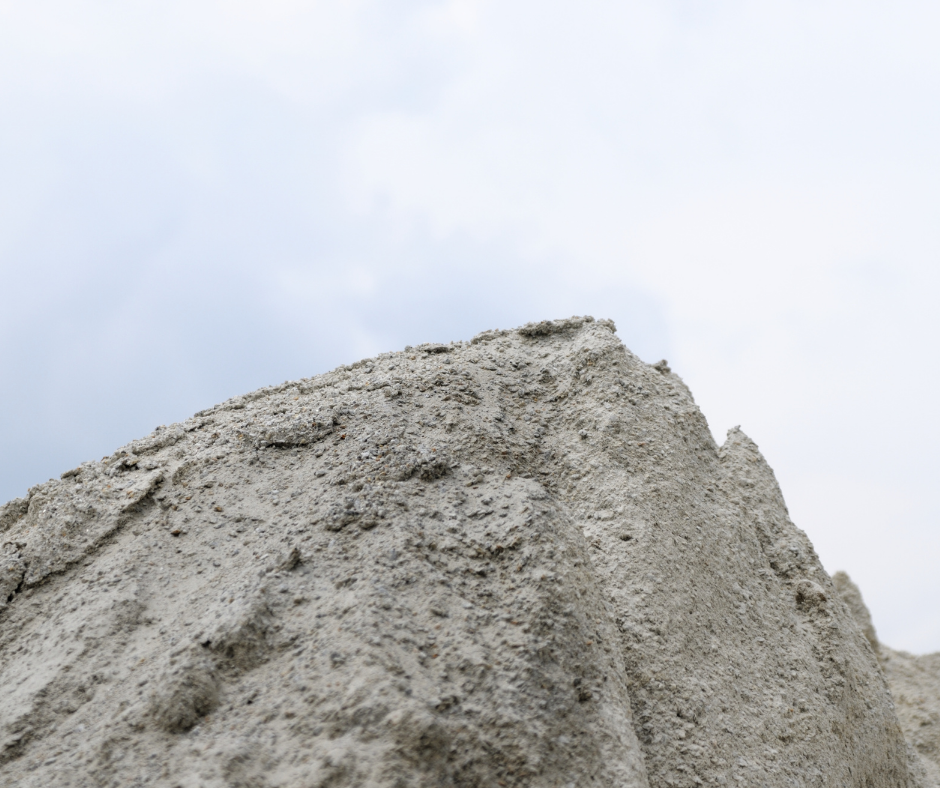
Screening, or stone dust, is a fine material produced as a byproduct of crushing larger stones. It’s widely used as a base material for various landscaping projects, including paver installations and walkways.
Pros of Screening
- Cost-Effective: Stone dust is generally more affordable than HPB, making it an attractive option for budget-conscious projects.
- Compaction: Screenings can compact densely, but compaction alone does not make a material suitable for the bedding layer. Follow the paving manufacturer’s specification.
Cons of Screening
- Poor Drainage: One major drawback is its poor drainage. When wet, stone dust can retain water, leading to issues like heaving and shifting in freeze-thaw cycles.
- Bedding selection: Evaluate fines, drainage and compatibility with the specified paving assembly instead of choosing on price alone.
High-Performance Bedding (HPB): An Overview
HPB refers to a small, free-draining chip aggregate used as a bedding material in suitable paving systems. The bedding layer and the structural base serve different purposes. Match both to the selected paver system and site conditions. Unilock’s bedding guidance discusses chip aggregate and cautions against screenings with excessive fines.
Pros of HPB
- Excellent Drainage: HPB is highly permeable, allowing for excellent water drainage, thus reducing the risk of heaving and shifting.
- Material source: Confirm the aggregate source and specification with the supplier. HPB should not automatically be described as recycled or environmentally preferable.
- Joint maintenance: Do not treat the bedding choice as a weed-control guarantee. The joints and finished surface still require appropriate care.
- System performance: Service life depends on the complete installation, including the base, drainage, edge restraint, joints and intended loading.
Cons of HPB
- Higher Cost: HPB is generally more expensive than stone dust, which can be a consideration for budgeting.
- Availability: It may not be as readily available as stone dust in some regions.
Comparative Chart: Screening vs HPB
| Feature | Screening (Stone Dust) | HPB (High-Performance Bedding) |
|---|---|---|
| Cost | More affordable | Pricier |
| Drainage | Poor | Excellent |
| Environmental assessment | Check source and transport | Check source and transport |
| Weed-control guarantee | None from bedding alone | None from bedding alone |
| Service life | Depends on the complete system | Depends on the complete system |
| Availability | Common | Less common |
How should bedding material be selected?
Specify the paving assembly as a whole. Ask which bedding material the paver manufacturer accepts, how water will leave the system, what will support vehicle loads and how the edges and joints will be finished. A material label alone cannot determine whether an installation is appropriate.
Conclusion: Making the Right Choice for Your Landscape
The choice between screening and HPB depends on various factors, including budget, project requirements, and long-term maintenance considerations. While screening might be suitable for some applications, HPB stands out as the better option for most landscaping projects, especially where drainage and durability are key considerations.
Consult the Experts for Your Landscaping Needs
Choosing the right base material is just one step in creating a beautiful and lasting landscape. For expert advice and professional landscaping services, contact Milton Stone. Our team is dedicated to providing high-quality installations using the best materials suited to your specific needs.
To learn more about our services or to schedule a consultation, please contact us at (289) 856-9735 or fill out the form below.
Quick Service Request
Request a Quote Now!

Stonework and paving: frequently asked questions
What matters besides the paving or stone material?
The supporting construction, finished levels, drainage, edges and transitions matter alongside the visible finish. Ask how these details will be addressed for the intended use of the space.
How should I compare materials for my project?
Review samples for appearance, texture, intended application and maintenance requirements. Consider the material beside the house and adjoining finishes, and ask about availability and replacement pieces.
What should a complete stonework quotation include?
Clarify demolition, excavation, supporting construction, material specifications, installation, disposal and reinstatement. Identify assumptions, exclusions and the boundaries of any repair or warranty commitment.
Continue with stonework and paving guidance or explore Milton Stone’s landscape and pool services.