Retaining Wall Installation: Best Practices in the GTA
Technical reference for design responsibilities, drainage and wall-system planning: CMHA: Segmental Retaining Wall Design.
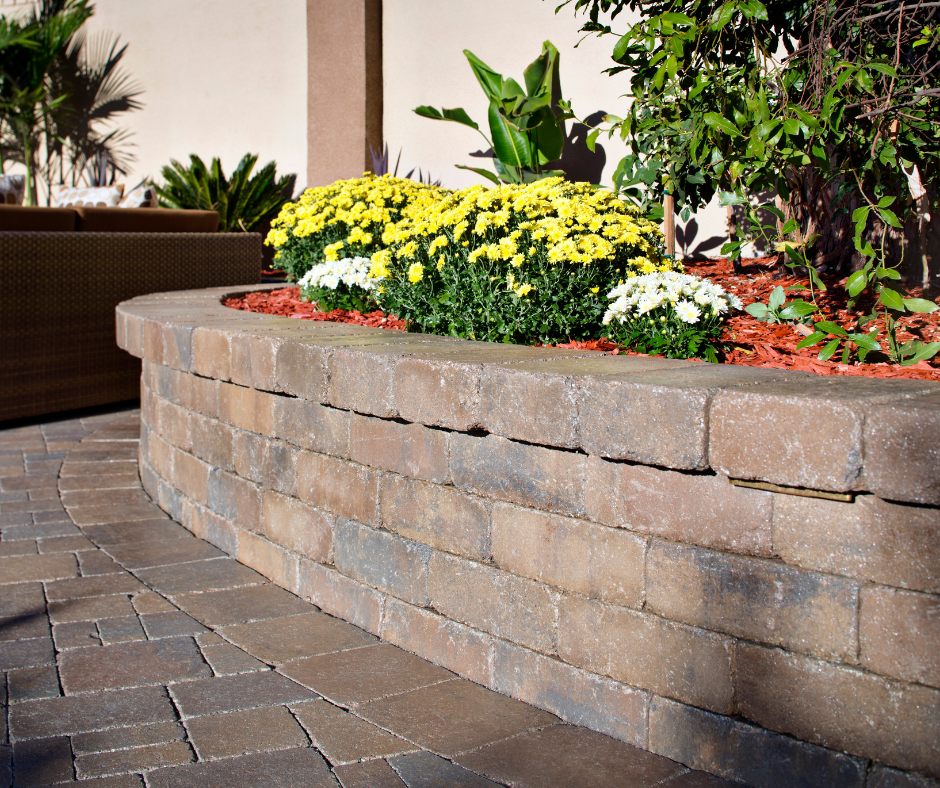
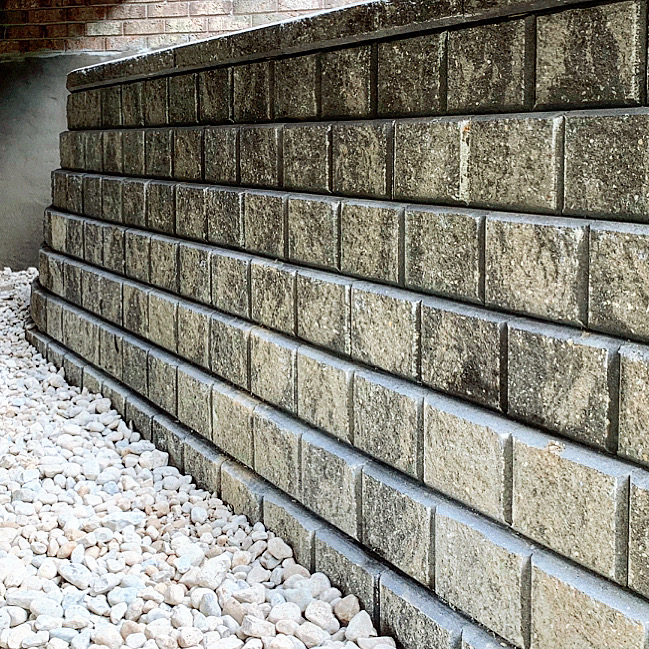
Understand the best practices for installing retaining walls in the GTA, ensuring longevity and stability even in the region’s harsh weather conditions. Proper installation is key to the longevity and effectiveness of retaining walls, especially in the Greater Toronto Area (GTA), known for its varying weather conditions. This blog section delves into the best practices for installing retainingwalls in the GTA, covering essential steps and considerations that ensure your wall remains stable and durable over time.
1. Site Analysis and Preparation:
- Conducting a Thorough Site Assessment: Before any installation begins, it’s crucial to evaluate the site for soil type, drainage patterns, and slope stability. This helps in designing a wall that suits the specific conditions of your property.
- Preparing the Foundation: The foundation is the most critical part of the retaining wall. Ensure it’s dug to the proper depth and filled with a suitable base material, typically a compacted granular fill, for optimal support.
2. Choosing the Right Materials:
- Material Selection for GTA’s Climate: Select materials that can withstand the freeze-thaw cycles common in the GTA. Materials like concrete blocks, natural stone, and treated timbers are popular choices for their durability.
3. Adequate Drainage:
- Incorporating Drainage Solutions: Proper drainage is essential to prevent water build-up behind the wall, which can lead to pressure and potential wall failure. Include weep holes, drainage tiles, or use backfill that allows water to drain freely.
4. Correct Construction Techniques:
- Layering and Backfilling: Build the wall in layers and backfill each layer with proper material. Compacting the backfill is crucial to prevent settling over time.
- Ensuring Wall Tilt: A slight backward tilt, or batter, helps the wall resist the pressure of the soil behind it.
5. Height and Structural Considerations:
- Adhering to Height Restrictions: In the GTA, retaining walls over a certain height may require a permit. It’s important to check local building codes and regulations.
- Engineering Review: Wall height is only one design factor. Nearby slopes, vehicle loads, buildings, soil and drainage can also require professional engineering. Confirm design responsibility and local approval requirements before construction.
6. Ongoing Maintenance:
- Regular Inspections and Maintenance: After installation, periodically check the wall for any signs of movement, cracking, or bulging, especially after heavy rainfalls or thaw cycles.
By adhering to these best practices, homeowners in the GTA can ensure that their retaining walls are not only aesthetically pleasing but also structurally sound and capable of withstanding the region’s unique weather challenges. If you wish to receive a FREE QUOTE submit a request below and we will be in touch with you!
Quick Service Request
Request a Quote Now!