Milton Stone · Oakville estate journal
Trees can give an estate arrival structure, but their place in the design should be tested against the entrance, driveway and garden. Begin with the intended view and the space available for the selected tree over time.
Choose the role of each tree
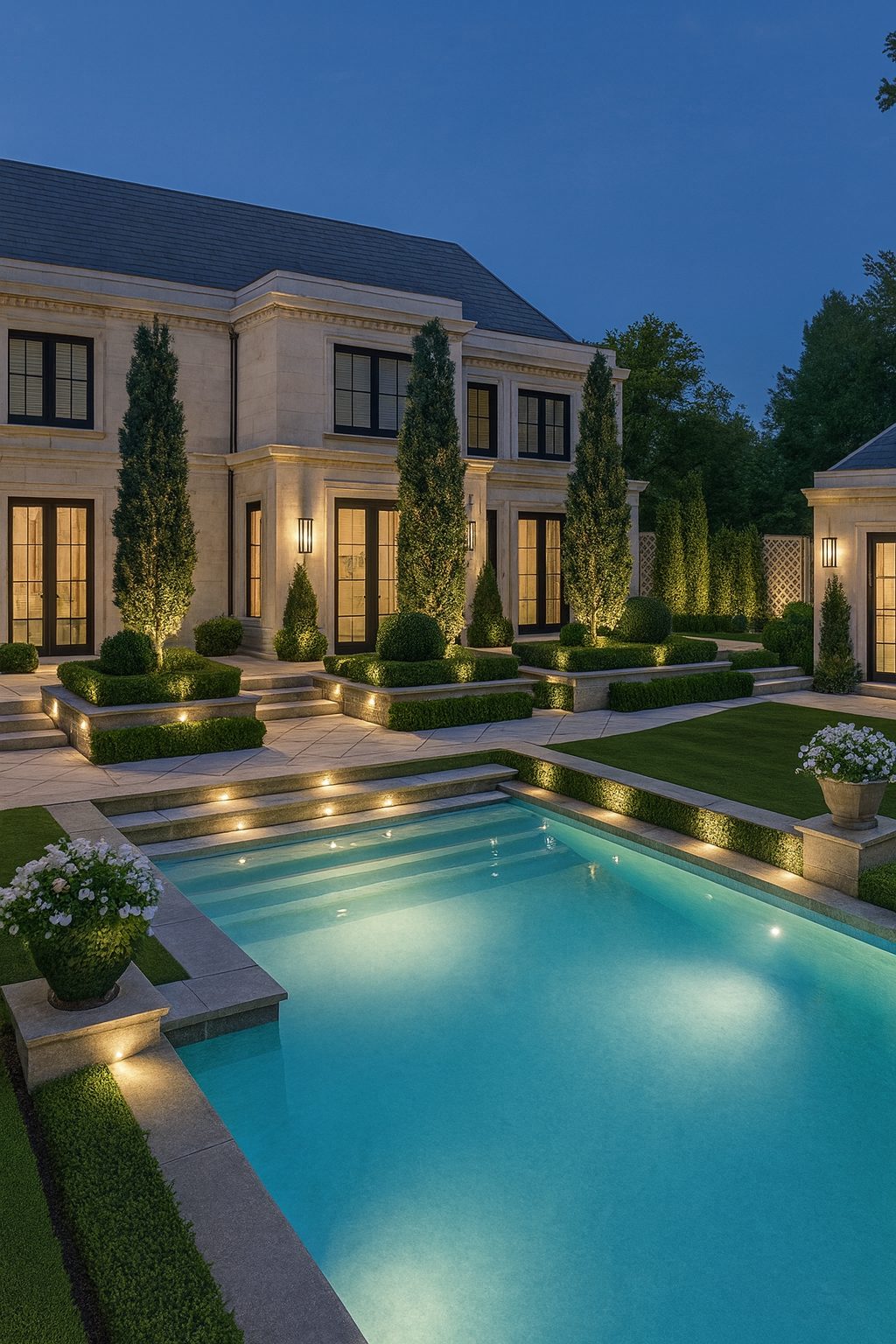
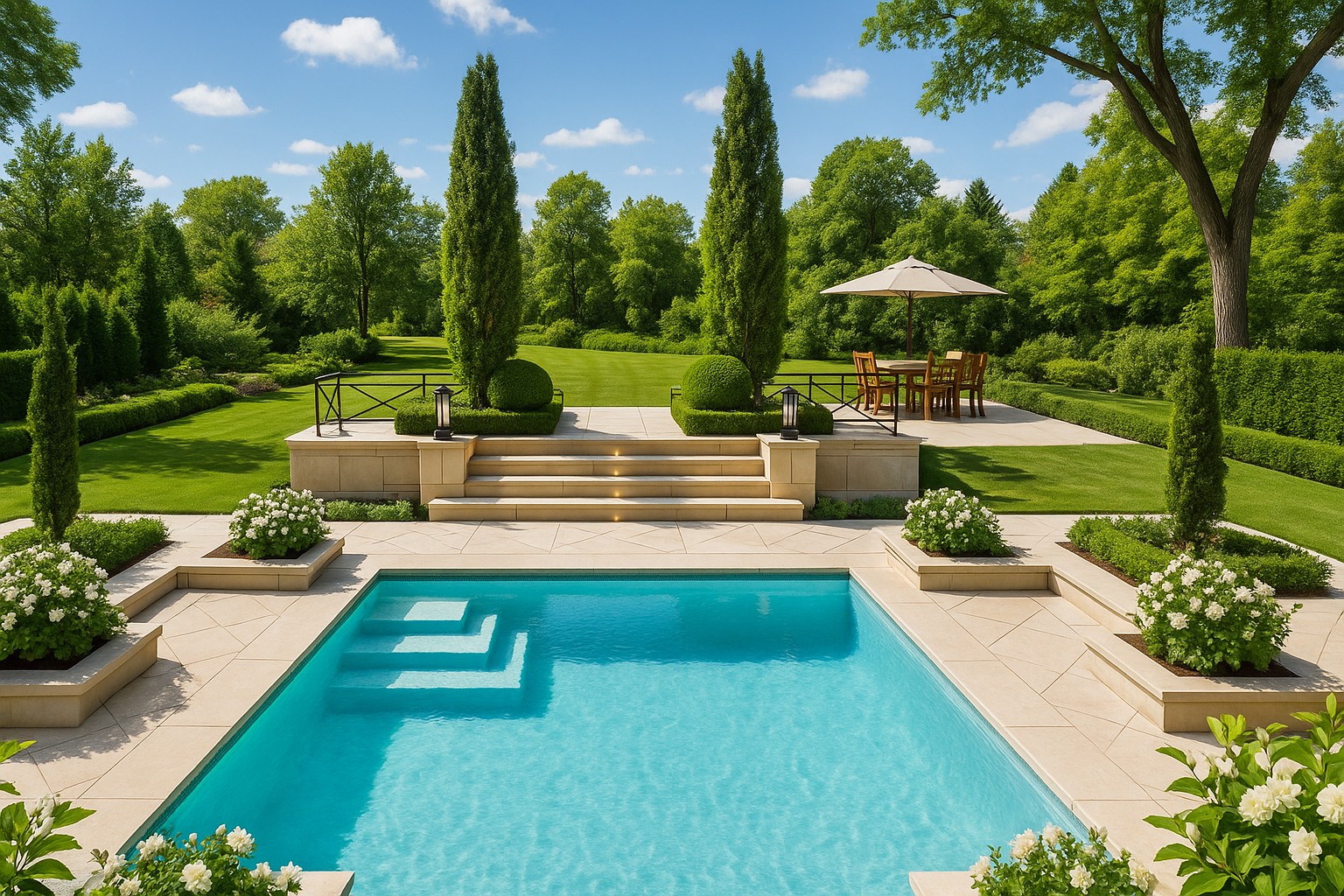
Decide whether a tree should frame the doorway, define a garden edge or become a focal point. Review the position from the street, the parked car and inside the home. A tree that improves one view may obscure another, so explain the intended role before selecting its form or size.
Review the future relationship to construction
Discuss mature dimensions and the tree’s relationship to paving, walls, lighting and services. Ask the team what site information is needed to confirm a suitable location. The layout should not rely on repeated pruning to rescue a position that was too confined from the beginning.
Distinguish new planting from retained-tree work
Mark existing trees separately from proposed additions. If construction may affect retained trees, use the local tree-protection guide and obtain the appropriate review. New planting is not an automatic substitute for permission to remove or disturb an existing tree. Keep those decisions and responsibilities distinct in the project brief.
For background on matching a tree to its location, see the Arbor Day Foundation’s tree-selection guidance.
Prepare for the next project discussion
Before the next review, identify the areas to plant, the views you want to improve and the level of care the household can arrange. Ask for a clear planting schedule and a written distinction between supply, installation, establishment care and any recurring maintenance. Record unresolved site questions before ordering.
Planning for your Oakville property
Explore West Oak Trails and Bronte Creek for local project information. Use the address and actual site conditions to confirm the scope; a neighbourhood name alone does not establish the layout or approval requirements. Continue with Oakville estate master planning.
Frequently asked questions
Should the largest available tree always be selected?
No. Compare suitability, installation access, establishment needs and the design objective with the team.
Can a tree be placed inside a motor court?
Assess the available growing space and its relationship to vehicles, paving and services before confirming the position.
Does adding trees settle existing-tree approval questions?
No. Confirm any requirements for existing trees separately from the new planting plan.
Plan the complete estate with Milton Stone
Explore landscape design and planting and Estate Living. Share the address, photographs, priorities and intended budget to discuss the next step.
Related reading: Oakville retained-tree and access planning and the project planning library.