The Best Sealers for Interlocking Pavers: Ensuring Durability and Aesthetics
In the diverse climate of the Greater Toronto Area, protecting your interlocking pavers is not just about maintenance; it’s about preserving the beauty and functionality of your outdoor living space. The right sealer can protect against weather damage, enhance color, and extend the life of your pavers. Let’s dive deeper into the world of paver sealers and the application process.
Understanding Sealer Types and Their Benefits
Penetrating Sealers
- Deep Protection: Penetrating sealers soak into the pavers, providing protection from within. They’re excellent for preventing water absorption and minimizing frost damage, crucial in Canadian winters.
- Natural Finish: These sealers typically leave a natural, matte finish, maintaining the original look of your pavers.
High-Gloss Sealers
- Enhanced Color and Shine: If you’re looking for a wet look that brings out the color in your pavers, high-gloss sealers are the way to go. They add a sheen to the surface, making your pavers look perpetually wet.
- Surface Protection: This type of sealer forms a protective layer on the surface, repelling water and stains.
Sealers with Joint Stabilization
- Joint Sand Stability: Some sealers offer the added benefit of stabilizing joint sand, preventing it from washing out and reducing weed growth and insect infestation in the joints.
Popular Brands and Where to Find Them
- Seal King: Known for their industrial-grade sealers that are perfect for driveways and high-traffic areas.
- Ducan: Offers a range of water-based sealers ideal for environmentally conscious homeowners.
- Resiblock: A leading brand offering a variety of sealers, including joint-stabilizing options.
Availability varies by product and supplier. Check the manufacturer’s Canadian dealer information and the current technical data sheet before purchasing a sealer.
Detailed Application Process
Pre-Application
- Repair Damages: Before sealing, repair any cracks or replace damaged pavers.
- Thorough Cleaning: Pressure wash the pavers and clean out the joints. Remove any oil, grease, or moss.
Sealer Application
- Test First: Always perform a small test patch to ensure the sealer adheres well and provides the desired finish.
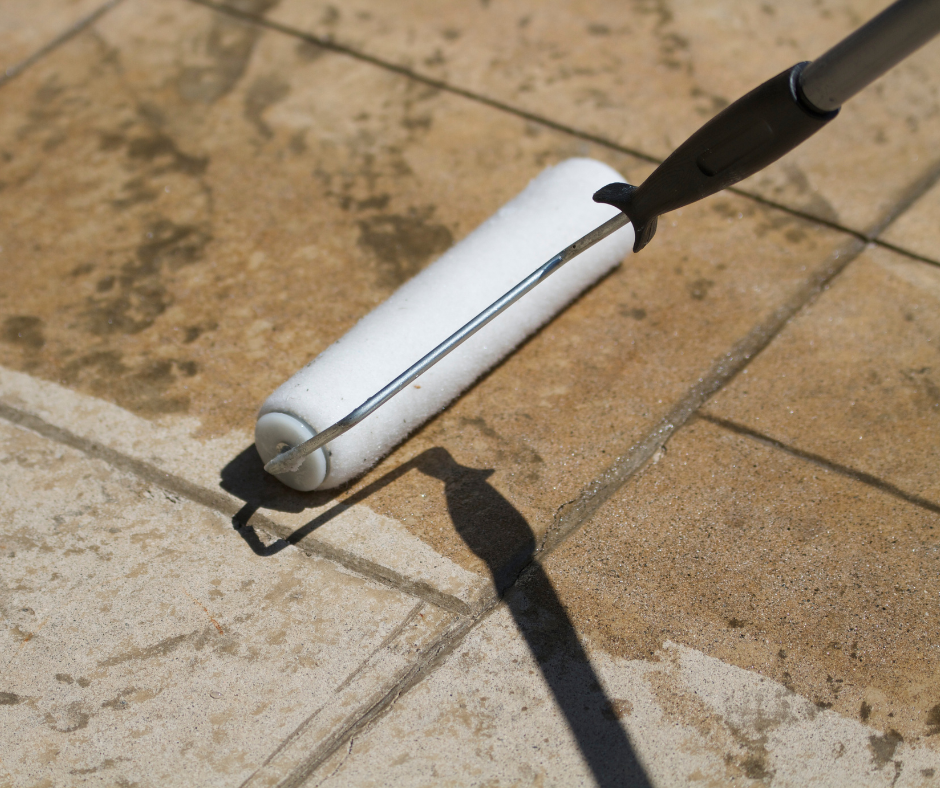
- Even Application: Apply the sealer evenly using a sprayer or roller. Avoid puddling or over-application.
- Dry and Cure: Allow the sealer to dry as per the manufacturer’s instructions. Avoid walking or driving on the pavers during this period.
Regular Maintenance and Reapplication
- Inspection and Touch-Ups: Regularly inspect your sealed pavers for any wear and tear. Touch-ups may be needed every few years, depending on the sealer type and the level of exposure to traffic and weather.
Conclusion: Protect Your Investment with the Right Sealer
Sealing is an optional treatment for many interlocking pavers. Check the paver manufacturer’s recommendations and choose a compatible product for the finish and stain protection you want. With the right product and application, your pavers will continue to add beauty and value to your property for years to come.
Milton Stone: Your Partner in Paver Protection
Looking for expert advice on the best sealer for your pavers, or need professional sealing services? Milton Stone is here to help. With years of experience in enhancing and protecting outdoor spaces, we provide top-notch advice and services to ensure your pavers remain in pristine condition.
For physical paving repairs, contact Milton Stone at 289-856-9735. Choose any cleaner or sealer according to the paving manufacturer’s instructions.
Manufacturer reference: Unilock’s guidance on optional sealing and compatible products.
Quick Service Request
Schedule a Free Consultation!

Stonework and paving: frequently asked questions
What matters besides the paving or stone material?
The supporting construction, finished levels, drainage, edges and transitions matter alongside the visible finish. Ask how these details will be addressed for the intended use of the space.
How should I compare materials for my project?
Review samples for appearance, texture, intended application and maintenance requirements. Consider the material beside the house and adjoining finishes, and ask about availability and replacement pieces.
What should a complete stonework quotation include?
Clarify demolition, excavation, supporting construction, material specifications, installation, disposal and reinstatement. Identify assumptions, exclusions and the boundaries of any repair or warranty commitment.
Continue with stonework and paving guidance or explore Milton Stone’s landscape and pool services.