Patio pavers in Oakville and Burlington routinely transform cracked concrete slabs and muddy grass areas into polished, durable outdoor living spaces — with most projects completing in three to seven days and delivering results homeowners describe as unrecognizable compared to what was there before.
What does a patio paver transformation actually look like in Oakville and Burlington?
The before-and-after difference in this region is striking for one simple reason: older homes in Oakville and Burlington often sit on clay-heavy soil that causes concrete slabs to heave, crack, and settle unevenly over time. That same backyard that looked tired and hazardous — with trip-edge cracks, pooling water, and faded grey concrete — becomes a level, richly textured outdoor room once interlocking pavers are properly installed over a compacted granular base.
Typical before conditions that homeowners in this area bring to contractors include:
- Poured concrete patios with frost-heave cracks running across the surface
- Interlock that was originally installed without adequate base depth, causing sinking and separation
- Exposed aggregate that has pitted and lost its surface over decades
- Grass or gravel areas that turn to mud every spring thaw
- Disconnected spaces — a stoop here, a small pad there — with no cohesive design
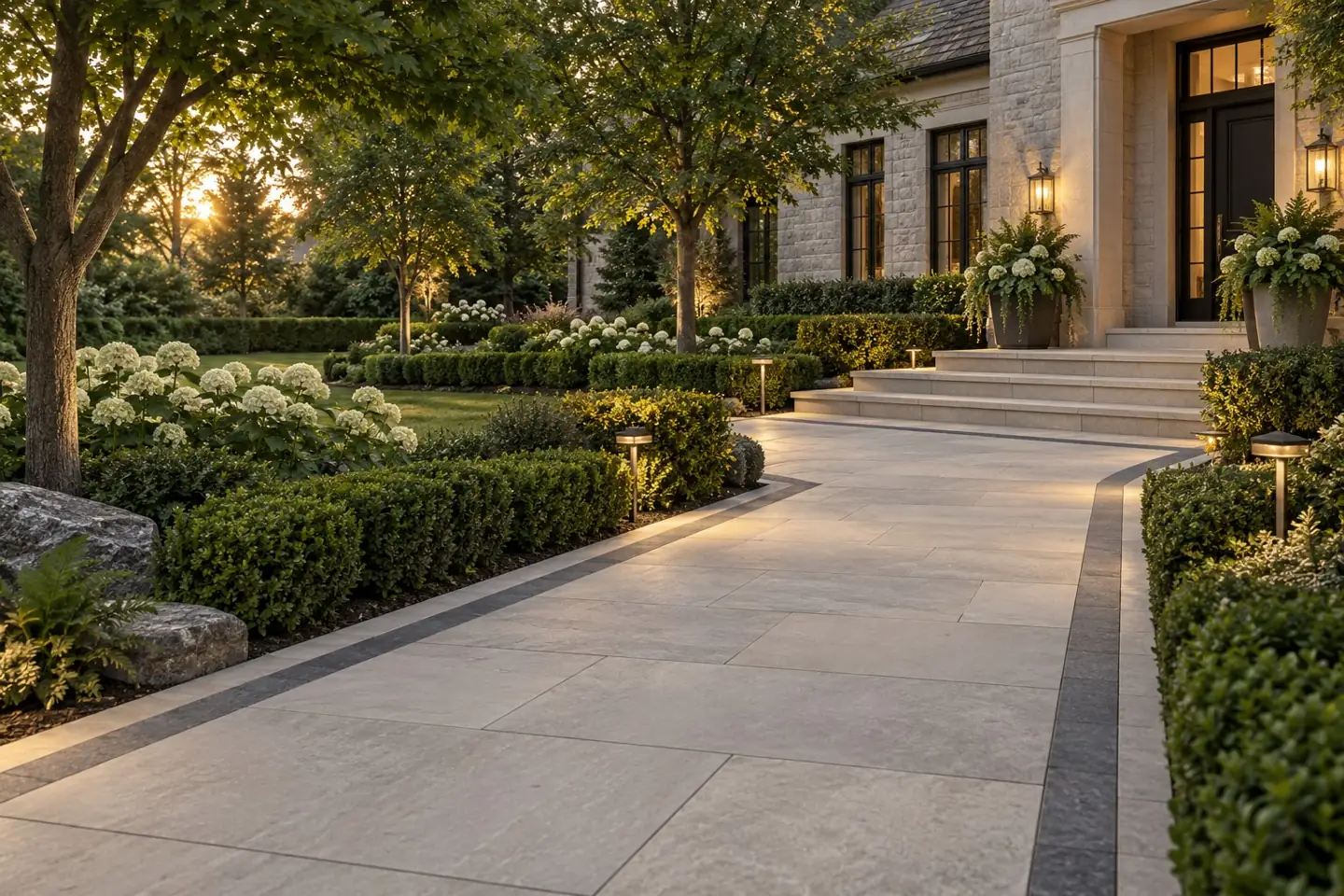
After a quality paver installation, those same spaces feature continuous, intentional layouts with defined edges, proper slope for drainage, and a surface that handles Halton Region’s freeze-thaw cycles without cracking.
Why do patio pavers perform so well in Oakville and Burlington’s climate?
The Golden Horseshoe experiences some of Canada’s most demanding conditions for hardscaping: hard freezes from November through March, rapid spring thaws, and clay soil that expands and contracts with moisture. Poured concrete struggles with this cycle because it is one rigid slab — when the ground moves, the concrete cracks.
Interlocking pavers handle this differently. Because each unit is independent, minor ground movement is absorbed across the joints rather than forcing a crack through a single surface. When a paver installation is done correctly — with a properly excavated base, compacted crusher run, and bedding sand at the right depth for this region — the surface can be re-levelled decades later by lifting individual pavers, correcting the base, and resetting them. That repairability is something no poured concrete patio can offer.
What paver styles and materials are most popular for Oakville and Burlington patios?
Homeowners in these communities tend to favour materials that complement the area’s established neighbourhood character — a mix of traditional and transitional architecture that ranges from century homes near Old Oakville to newer builds in North Burlington and Bronte.
Popular choices include:
- Tumbled or antiqued pavers — their worn edges suit older homes and create immediate warmth in before-and-after comparisons
- Large-format slabs (60×60 cm or 80×40 cm) — a modern look that photographs dramatically and suits newer builds with clean architectural lines
- Permeable pavers — increasingly requested in areas near the lake or in lots with drainage challenges, these allow water to pass through the joints and reduce runoff
- Two-tone or mixed-colour blends — combining a field colour with a contrasting border adds definition and elevates even a modest-sized patio
- Natural stone alternatives — manufactured pavers that replicate flagstone or slate offer the aesthetic of natural stone with more consistent thickness for easier installation and long-term stability
Do you need a permit for a patio in Oakville or Burlington?
In most cases, a ground-level patio paver installation does not require a building permit in Oakville or Burlington, provided it sits at or near grade and does not involve structural elements like retaining walls over a certain height. However, there are important local considerations:
- The Town of Oakville and City of Burlington both have stormwater management bylaws — impermeable surfaces that increase runoff onto neighbouring properties or municipal infrastructure can create compliance issues
- If your project includes a retaining wall (typically over 0.6 metres in Halton Region), a permit and engineered drawings are generally required
- Properties near the Niagara Escarpment or within regulated flood plains may require Conservation Halton approval before any grading or excavation
- HOA or heritage overlay restrictions apply in some older Oakville neighbourhoods
A reputable local contractor will review these requirements with you before design begins — not after the deposit is signed.
How long does a patio paver installation take in this region?
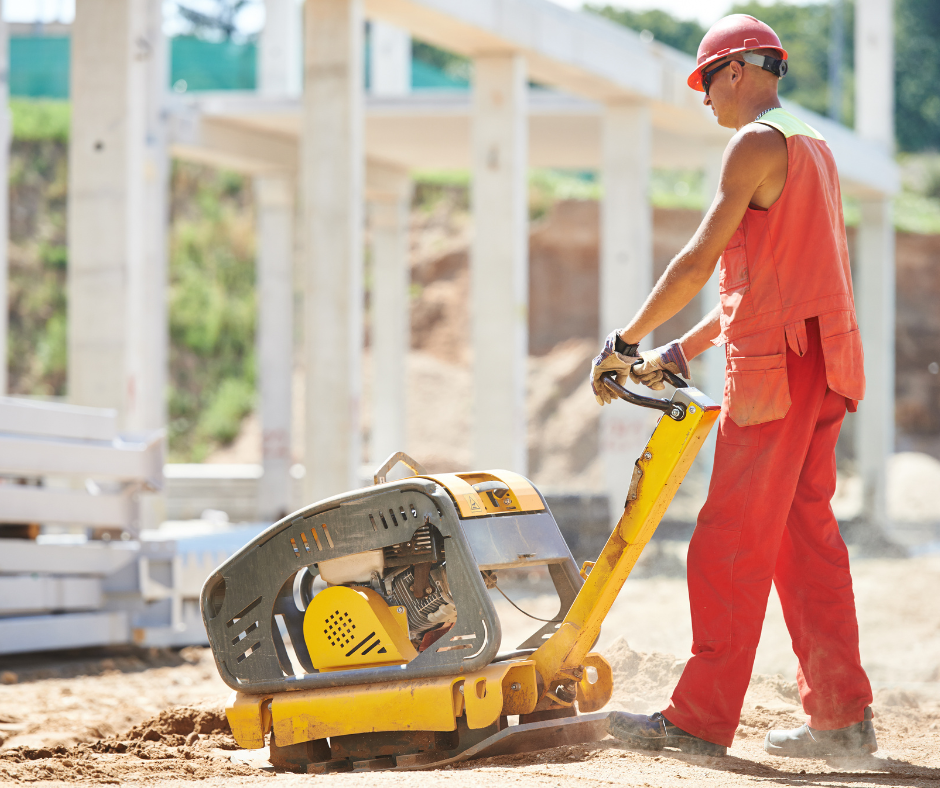
Most residential patio paver projects in Oakville and Burlington take between three and seven working days from excavation to final sealing, depending on the size of the area, complexity of the pattern, and whether the scope includes steps, walls, or lighting. The excavation and base-compaction phase — the work homeowners rarely photograph but that determines everything — typically takes one to two full days on its own for a mid-sized patio.
Spring (May through June) and early fall (August through October) are the busiest booking windows in Halton Region. Homeowners who want summer enjoyment are well served by reaching out in late winter or early spring for a design consultation and spot on the schedule.
What should Oakville and Burlington homeowners look for when hiring a paver contractor?
The before-and-after gap between a well-installed and a poorly installed patio is enormous — and the difference is rarely visible on day one. It shows up two or three winters later as sinking, spreading joints, or edges that have crept out of line. When evaluating contractors in this region, look for:
- Clear documentation of base depth and material specifications in the written quote
- Local project references you can actually visit or verify
- WSIB coverage and general liability insurance on file
- Familiarity with Halton Region soil conditions and drainage requirements
- Transparency about the sealing process and joint sand type used
The most dramatic before-and-after results come from contractors who treat the invisible base work with the same care as the surface pattern — because in five years, the base is what you are really living on.
Frequently asked questions
How much do patio pavers typically cost in Oakville and Burlington?
Patio paver costs in Oakville and Burlington vary widely based on square footage, material selection, base preparation needs, and project complexity. Basic interlocking installations typically start at a higher per-square-foot rate than poured concrete due to the labour involved in proper base work, while premium large-format or natural stone products increase costs further. Request itemized quotes from at least two local contractors so you can compare base depth specifications, not just final price.
Can existing concrete be paved over instead of removed?
Overlaying new pavers on top of an existing concrete slab is technically possible but generally not recommended in Oakville and Burlington’s climate. The existing slab becomes part of the base, and if it has heaved, cracked, or settled unevenly — which is common here — those problems transfer to the new surface. Most quality contractors in this region recommend full removal to ensure proper base depth and drainage slope.
How soon can I use my patio after paver installation?
Most paver patios can handle foot traffic within 24 hours of installation and light furniture within two to three days. If polymeric jointing sand is used (standard practice for longevity), it needs time to cure before the surface gets wet — your contractor will advise on the specific window based on weather conditions at the time of your installation.
Do patio pavers in Burlington and Oakville need to be sealed?
Sealing is not mandatory but is strongly recommended for patios in this climate. A quality sealer protects against freeze-thaw moisture penetration, inhibits weed and moss growth in the joints, and preserves colour against UV fading. Most contractors recommend sealing six to twelve months after installation (once the joint sand has fully settled) and reapplying every three to five years depending on exposure and foot traffic.
What is the best time of year to install patio pavers in the Golden Horseshoe?
The ideal installation window in Oakville, Burlington, and the broader Halton Region is late April through October, when ground temperatures are consistently above freezing and base materials can be properly compacted. Installations in November are possible during mild years but carry risk if early freezes arrive before the base has fully settled. Planning and booking in late winter for a spring or early-summer installation gives homeowners the best selection of dates and maximum enjoyment of the finished space.