Tackling Haze on Sealed Interlocking Pavers: Causes and Prevention
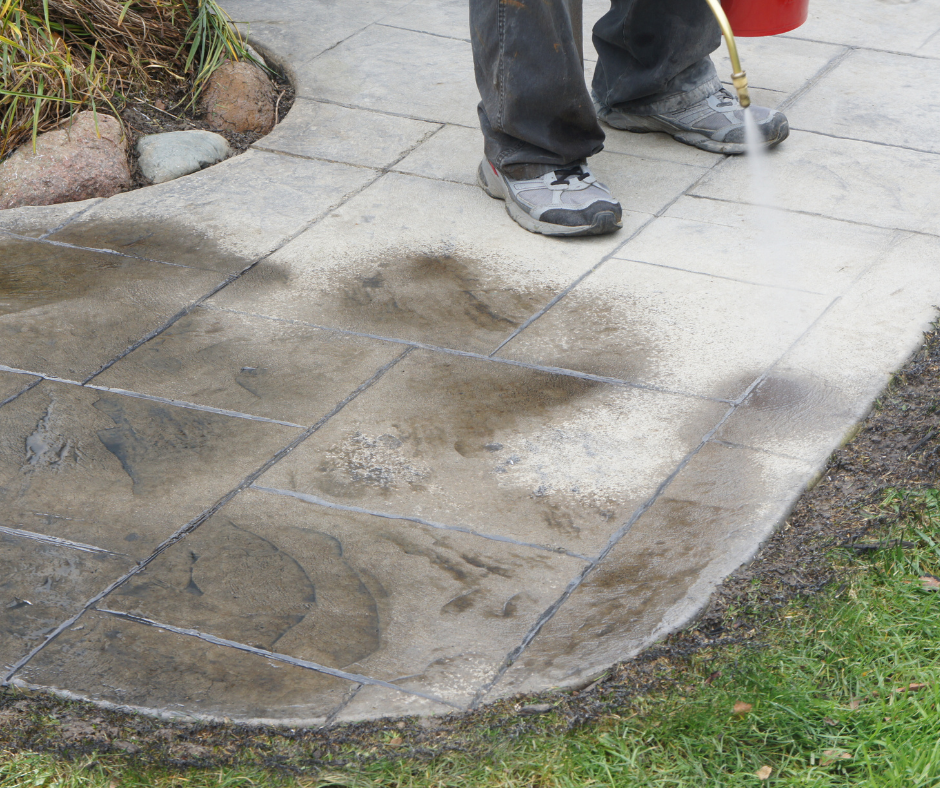
Sealing concrete interlocking pavers is an optional surface treatment that may enhance colour and help resist staining. It does not replace proper installation, drainage or repairs, and suitability depends on the paver and sealer manufacturer’s instructions. This process, widely embraced by homeowners and landscape professionals, involves applying a protective layer over the pavers to guard against the elements and everyday wear and tear. However, a common and perplexing issue often arises post-sealer application – the formation of a hazy, milky film on the surface of the pavers.
This unwelcome phenomenon can significantly mar the aesthetic quality of your pavers, leaving them looking dull and lackluster instead of vibrant and new. More than just a cosmetic concern, the appearance of haze can also be indicative of deeper issues within the sealing process – problems that may affect the longevity and durability of your paver installation.
Understanding the root causes of this haze and how to effectively prevent it is crucial in ensuring that your pavers remain as striking and resilient as intended. In this blog, we delve into the various factors that contribute to sealer haze on concrete interlocking pavers. We’ll explore everything from environmental conditions and application techniques to the chemical makeup of sealers themselves. By equipping you with this knowledge, our aim is to help you navigate and resolve this common issue, ensuring your pavers continue to be a source of pride and beauty in your landscaping endeavors.
In-Depth Look at Haze Formation
Detailed Causes of Haze
Incorrect Sealer Application
- Layering Technique: Beyond the amount of sealer applied, the technique used can also impact the outcome. Applying sealer too quickly or without allowing the first coat to properly dry can result in a hazy appearance.
Environmental and Climatic Factors
- Humidity and Temperature Effects: High humidity levels and lower temperatures can prolong the drying time of the sealer, increasing the likelihood of haze formation.
Chemical Reactions
- Interactions with Cleaning Agents: Sometimes the chemicals used for cleaning pavers prior to sealing can react with the sealer, especially if the pavers are not rinsed and dried adequately.
Advanced Prevention Techniques
Optimal Application Conditions
- Best Practices for Application Timing: Use the product’s specified air and surface temperature limits, drying requirements and rain-free curing window. These conditions vary between sealers; a single temperature range does not apply to every product.
Choosing and Testing Sealers
- Varieties and Brands: It’s important to research and choose high-quality sealers known for their clarity and consistency. Brands like Techniseal, Surebond, and BP Pro offer specialized products for concrete pavers.
- Compatibility Tests: Conduct more extensive tests, not just for appearance but also for compatibility with the paver material and previous treatments.
Post-Application Care and Solutions
Addressing Existing Haze
- Removing Haze: Identify whether the white appearance comes from trapped moisture, excess coating, efflorescence or another residue before treating it. Ask the sealer manufacturer for a compatible remedy and test a small area first; an unsuitable cleaner or solvent can damage the finish.
- Professional Evaluation: In cases of severe hazing, it may be beneficial to consult with a paving professional to assess whether the sealer can be salvaged or if stripping and reapplication are necessary.
Long-Term Maintenance
- Regular Cleaning: Regular cleaning and upkeep of the pavers can prevent the buildup of substances that might interact negatively with the sealer.
- Periodic Reapplication: Even with the best care, sealers may need reapplication or touch-ups. It’s essential to monitor the condition of the pavers and address any issues promptly.
Conclusion: Ensuring Optimal Results
Sealing concrete interlocking pavers can greatly enhance their lifespan and appearance, but it requires careful consideration and execution. Understanding the potential causes of sealer haze and adopting the right preventive measures can help ensure that your pavers retain their intended look and functionality.
Get Expert Assistance with Milton Stone
If you’re planning to seal your interlocking pavers or need advice on how to address sealer haze, Milton Stone is here to help. Our expertise in paver installation and maintenance ensures that your outdoor spaces not only look their best but are also preserved for the long term. Contact us at 289-856-9735 for professional guidance and services.
Manufacturer reference: Unilock’s guidance on sealing, cleaning and efflorescence.
Quick Service Request
Schedule a Free Consultation!

Stonework and paving: frequently asked questions
What matters besides the paving or stone material?
The supporting construction, finished levels, drainage, edges and transitions matter alongside the visible finish. Ask how these details will be addressed for the intended use of the space.
How should I compare materials for my project?
Review samples for appearance, texture, intended application and maintenance requirements. Consider the material beside the house and adjoining finishes, and ask about availability and replacement pieces.
What should a complete stonework quotation include?
Clarify demolition, excavation, supporting construction, material specifications, installation, disposal and reinstatement. Identify assumptions, exclusions and the boundaries of any repair or warranty commitment.
Continue with stonework and paving guidance or explore Milton Stone’s landscape and pool services.