Choose an interlock repair scope by assessing the cause and extent of the problem, not simply the age of the paving. Some areas may be suitable for lifting and relaying; others need broader reconstruction. A useful inspection separates reusable materials from the preparation and drainage work required beneath them.
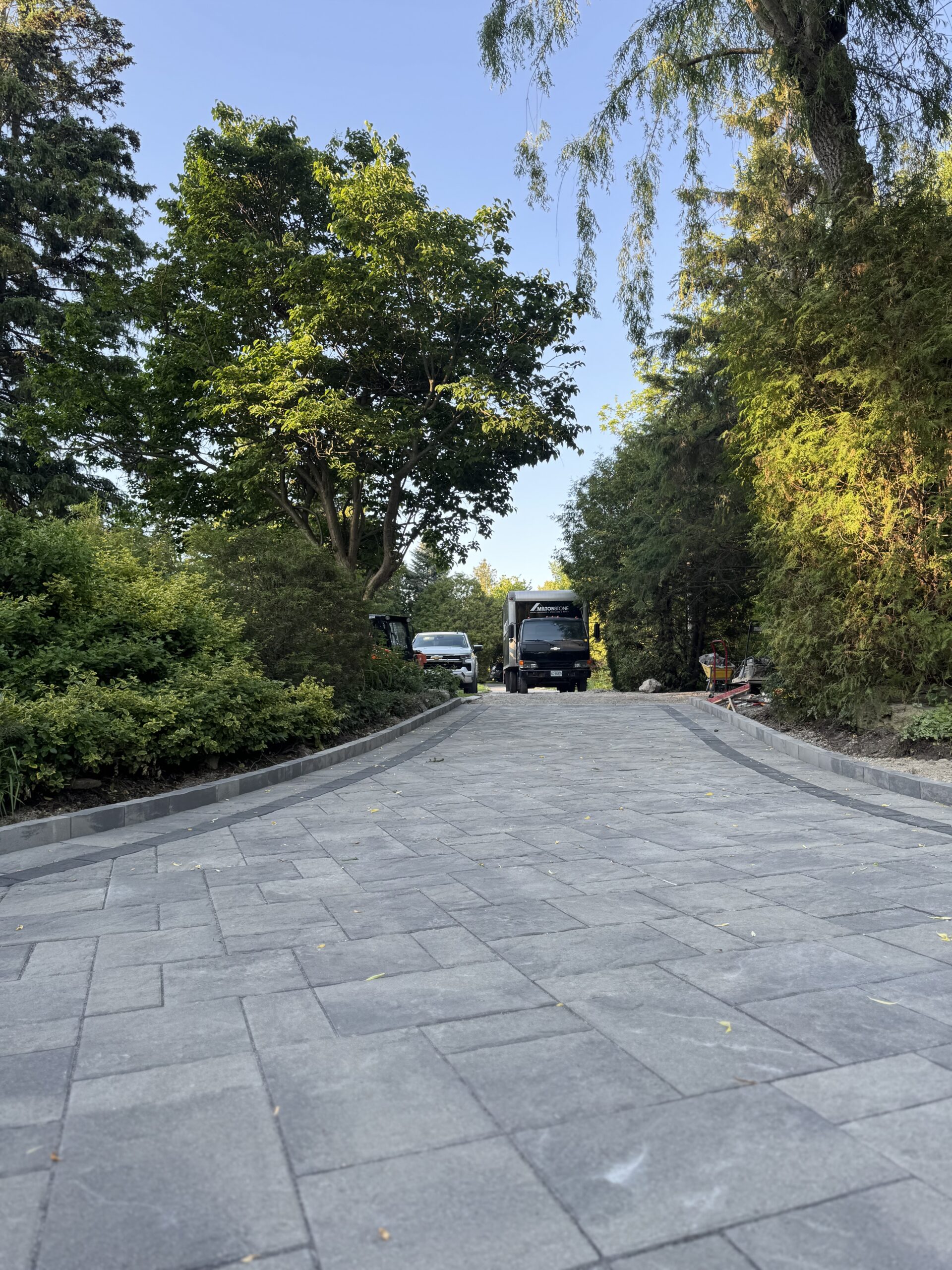
Record the symptoms and their location
Photograph settlement, spreading edges, uneven transitions and areas where water collects. Note whether the issue changes with the seasons or followed other construction. Interlock repair should address the condition observed on the property. A single photograph can start the conversation, but it may not establish what lies beneath the surface or why movement occurred.
Understand what lifting and relaying includes
Interlock lift and relay can involve removing existing units, carrying out the agreed preparation and reinstalling suitable material. Ask how the proposed scope addresses levels, edges and the underlying cause. Clarify whether cleaning, replacement units, joint material and adjoining restoration are included. Reusing paving does not mean every part of the original installation should automatically remain.
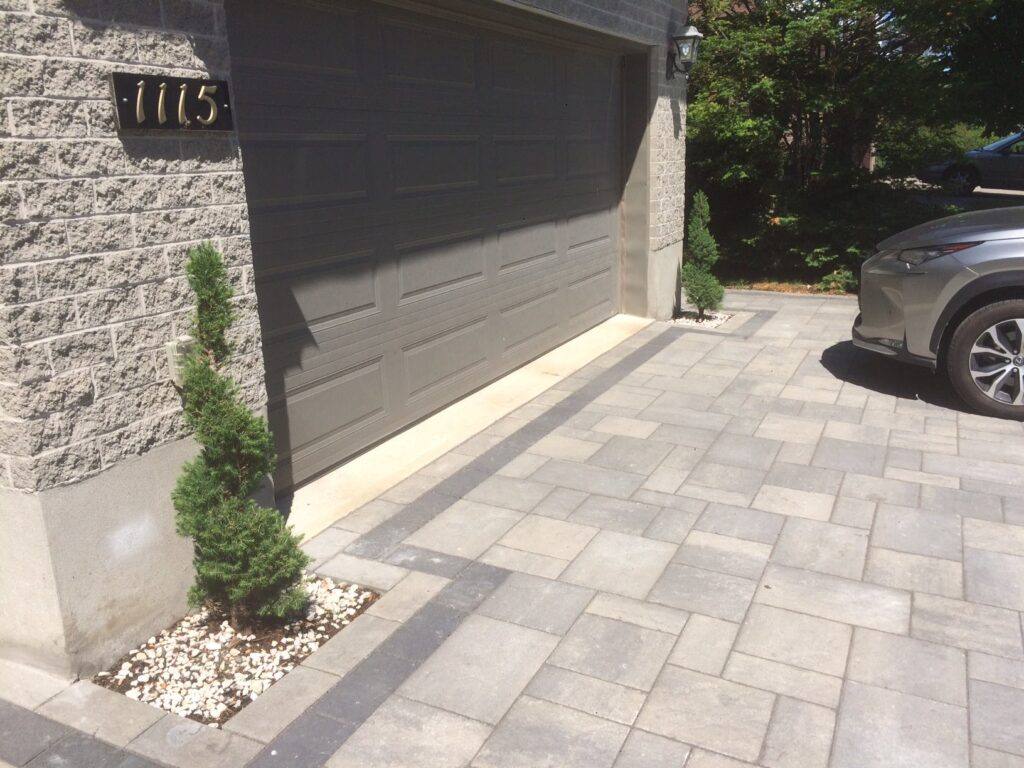
Compare repair boundaries thoughtfully
A small repair can be visually or functionally awkward if it stops at the wrong place. Discuss where repaired areas will meet retained paving, steps, garage thresholds and planting. Check the availability of matching units. If a close match is not possible, consider whether a deliberate design transition or larger coherent area would give a better result.
Separate cosmetic improvement from reconstruction
Cleaning or renewed joint material may improve appearance, but it does not automatically resolve an unstable base or failed edge. Ask which observations support the recommended work and which conditions remain uncertain until paving is lifted. A credible proposal should distinguish the confirmed scope from potential additional work and explain how changes will be agreed.
Review the finished levels and care plan
Before handover, walk the area with the team and review the agreed transitions, edges and restoration. Obtain care guidance for the selected materials and ask which warranty terms apply to the specific repair scope. Keep photographs and the written description of the work. This makes later maintenance decisions easier and avoids confusing an appearance refresh with a complete new installation.
Questions, answered.
Can existing pavers be reused?
Often they can be considered for reuse, but condition, compatibility and the agreed repair design determine what is suitable.
Will new joint sand correct settlement?
Not by itself. Settlement needs assessment of the affected paving and underlying conditions before a repair method is chosen.
Sources and service information: Milton Stone’s Interlock Repair, Interlock Lift & Relay. For company background and locations, see About Milton Stone and service areas. Product selections and site-specific requirements are confirmed during project planning.