To fix a settling patio after winter, identify whether individual pavers, slabs, or the entire surface has shifted, then re-level the base material, reset the affected units, and compact the sub-base to prevent the same freeze-thaw cycle from repeating.
Why Does a Patio Settle After Winter in Milton and Halton?
The Greater Toronto Area sits in a climate zone where ground temperatures regularly cycle below and above freezing from November through March. That freeze-thaw cycle is the primary culprit behind patio settling repair calls every spring. Here is exactly what happens beneath your backyard:
- Frost heave: Water in the soil expands roughly nine percent when it freezes, pushing pavers, slabs, or flagstone upward. When it thaws, the soil does not always return to its original density, leaving voids underneath.
- Inadequate base design: Unsuitable material, insufficient support or poor compaction can contribute to movement. Base design should suit the site and loads; it is not a blanket requirement to excavate a patio below the frost line.
- Clay-heavy Halton soil: Much of Milton, Oakville, Burlington, and Halton Hills sits on clay or silty clay. Clay retains water longer than sandy soil, amplifying the freeze-thaw effect and causing more dramatic seasonal movement.
- Poor drainage: Water that pools under or around a patio has nowhere to go except into the base. Standing water that freezes is far more destructive than water that drains quickly away from the structure.
- Edge restraint failure: When plastic or aluminum edging works loose, pavers at the perimeter begin to migrate outward, and the whole field slowly loses its structure over successive winters.
How Do I Know If My Patio Settling Is a DIY Fix or a Professional Repair?
Not every settled patio requires a full contractor call, but not every one is safe to DIY either. Use this honest checklist:
- Minor isolated settling (one to three pavers, less than half an inch): A careful homeowner can lift the affected units, add or redistribute bedding sand, re-set and re-level, and re-sand the joints. This is a manageable weekend project if the base itself is still solid.
- A sunken section affecting a larger area: This usually signals a compromised sub-base or a drainage problem beneath the surface. Resetting pavers without addressing the root cause means you will be doing the same repair next spring.
- Cracked concrete or flagstone slabs: Surface cracks that follow the settling pattern often mean the slab has lost uniform support. Filling cracks without re-leveling the base is a cosmetic fix only.
- Settling near the house foundation: Any patio movement within two to three feet of your foundation wall should be evaluated by a professional. Improper grading or voids near a foundation can have consequences well beyond the patio itself.
- Trip hazards over a quarter inch: Ontario’s municipal property standards and basic liability considerations mean any lip or raised edge that poses a trip risk should be corrected promptly and properly.
What Is the Correct Process for Patio Settling Repair?
Whether you are tackling a small section yourself or briefing a contractor, understanding the correct repair sequence helps you ask the right questions and recognize quality work:
- Step 1 — Mark and photograph the affected area. Document which pavers or sections have moved and by how much. This is useful for insurance purposes and for diagnosing whether the pattern points to a localized issue or a systemic base failure.
- Step 2 — Remove the affected units carefully. Pry up pavers or carefully cut out settled slab sections. Stack pavers in the order they came out so patterns and cuts stay matched.
- Step 3 — Assess and repair the sub-base. Probe the granular base. If it feels soft, hollow, or waterlogged, excavate to firm ground, re-compact, and add fresh granular A or crusher run to the correct depth. This is the step that is most often skipped in cheap repairs — and the reason settling recurs.
- Step 4 — Restore the bedding layer. Use the bedding material specified for the selected paving system. Correct depressions in the base rather than hiding them with extra bedding material, and establish drainage consistent with the site design.
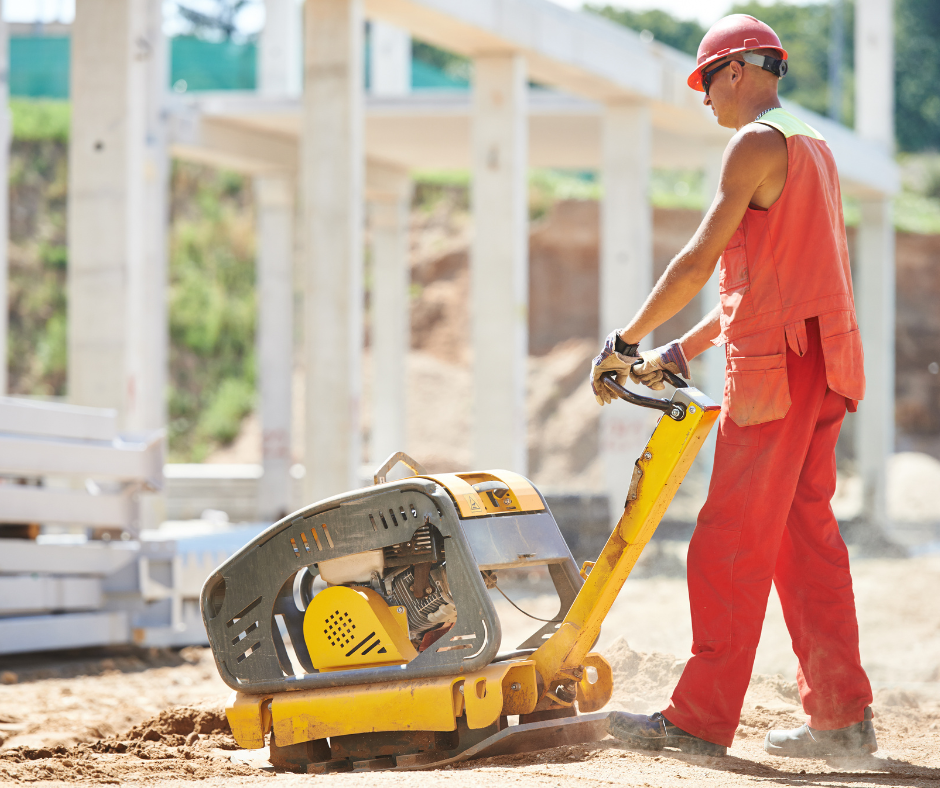
- Step 5 — Reset, level, and compact. Re-lay the units, check for level and consistent joint spacing, and run a plate compactor over the repaired section. For small hand-tool repairs, a rubber mallet and a straight board work for final seating.
- Step 6 — Complete the joints. Use compatible jointing material and follow its instructions for joint preparation, compaction, cleaning, activation and curing. Sealing is a separate product decision and does not correct a failing base.
Does Patio Settling Repair Require a Permit in Milton or Halton Hills?
In most cases, resetting existing patio pavers or slabs at grade does not require a building permit in the Town of Milton or Halton Hills. However, if your repair involves changes to grading that direct water toward a neighbouring property, or if you are rebuilding a structure that includes walls, steps, or a raised platform, a permit may be required. Always check with Halton Region or your local municipal building department before starting work that changes the footprint or grade of your outdoor space. A reputable contractor will flag permit requirements before work begins — not after.
How Can I Prevent My Patio From Settling Again Next Winter?
The single most effective prevention is building — or rebuilding — with a properly engineered base suited to Ontario’s frost depth and Halton’s clay soils. Beyond that, these practices make a measurable difference:
- Ensure all patio surfaces drain away from the house at the correct slope.
- Install or check edge restraints annually before freeze-up.
- Keep joints filled with polymeric sand, which resists washout and weed intrusion that loosens base material.
- Clear debris from drainage swales and downspout extensions so water does not pool near the patio perimeter.
- Ask whether the design requires a geotextile separator at the soil and aggregate interface. Its need and placement depend on the soil and pavement system.
- Have a professional assess any section that has settled more than once — recurring movement is a symptom of an underlying issue that resetting pavers alone will not solve.
If your patio in Milton, Oakville, Burlington, or Halton Hills has come through another winter looking worse for wear, the team at Milton Stone would be glad to take a look. We offer free consultations and will give you a straight answer about whether a repair or a full reinstallation is the right path forward for your outdoor space.
Frequently asked questions
How much does patio settling repair typically cost in the Milton and Halton area?
Repair costs vary widely depending on the size of the affected area, the type of patio material, and whether the sub-base needs to be rebuilt. Minor paver resets are generally far less expensive than repairs requiring full base excavation. Getting a written quote from a local contractor after an on-site assessment is the most reliable way to understand your specific cost.
Can I just add sand under sunken pavers without removing them?
Injecting or washing sand under pavers without lifting them is a temporary measure at best. It does not allow you to properly re-compact the base or confirm that the sub-base is structurally sound. In most cases, lifting the affected pavers, correcting the base, and resetting them properly produces a result that lasts significantly longer.
My concrete patio cracked and settled — can it be leveled without replacing it?
Polyurethane foam lifting (sometimes called mudjacking or foam jacking) can raise sunken concrete slabs without full replacement. However, if the concrete is severely cracked, spalled, or the base has completely failed, replacement is often the more cost-effective long-term solution. A contractor can assess which approach makes sense for your specific slab.
How long does it take for patio settling repair to be completed?
A straightforward paver reset on a small section can often be completed in a single day. Larger repairs involving sub-base reconstruction, drainage corrections, or significant paver areas typically take two to three days. Concrete slab work and curing times may extend the timeline further.
Is spring the best time to repair a settling patio in Ontario?
Spring — once the ground has fully thawed and dried out, typically April through May in the Milton and Halton area — is an excellent time for patio settling repair. The ground is accessible, base materials compact well in moderate temperatures, and completing repairs before summer means you get full use of your outdoor space during peak season.